

We provide specialized winterization services to safeguard your pool during the off-season, and when spring arrives, we handle the thorough opening process.
0552 497 27 37


We provide specialized winterization services to safeguard your pool during the off-season, and when spring arrives, we handle the thorough opening process.
0552 497 27 37

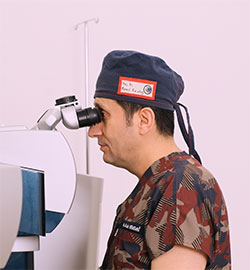
Open-angle glaucoma is an eye disease where the pressure inside the eye increases due to the inadequate functioning of the drainage system of the fluid within the eye.
More...Acute angle-closure glaucoma crisis is a condition where the pressure inside the eye rapidly increases, requiring urgent medical intervention.
More...Narrow-angle glaucoma refers to the inability of the eye to drain fluid properly when the angle inside the eye (the space between the iris and the cornea) narrows or begins to close.
More...Glaucoma is an eye disease characterized by increased intraocular pressure, which affects the optic nerve.
More...Congenital glaucoma is a condition that typically manifests within the first few months after birth, causing slower drainage of fluid within the eye than normal.
More...